The mural: a dialogue between art and space
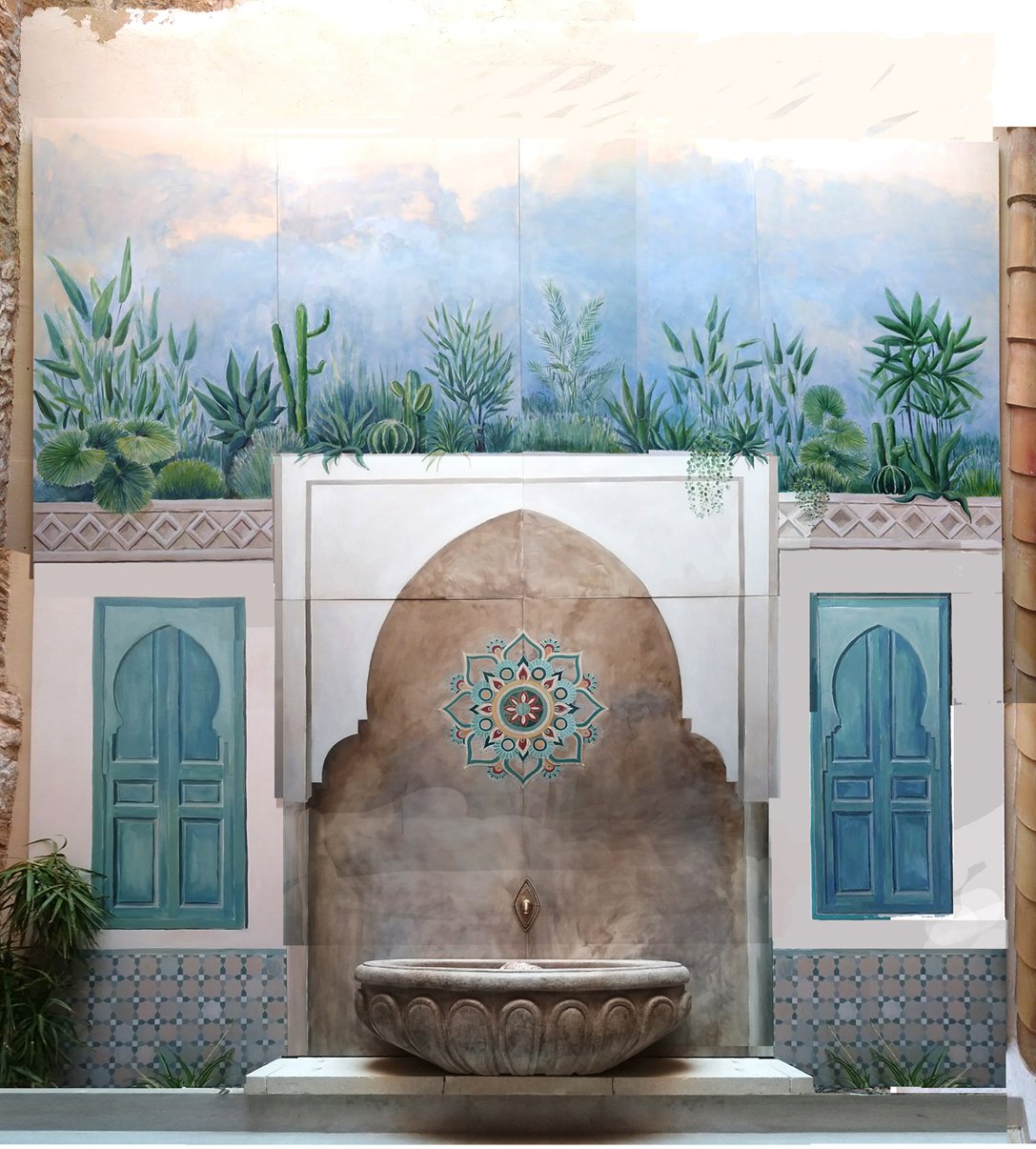
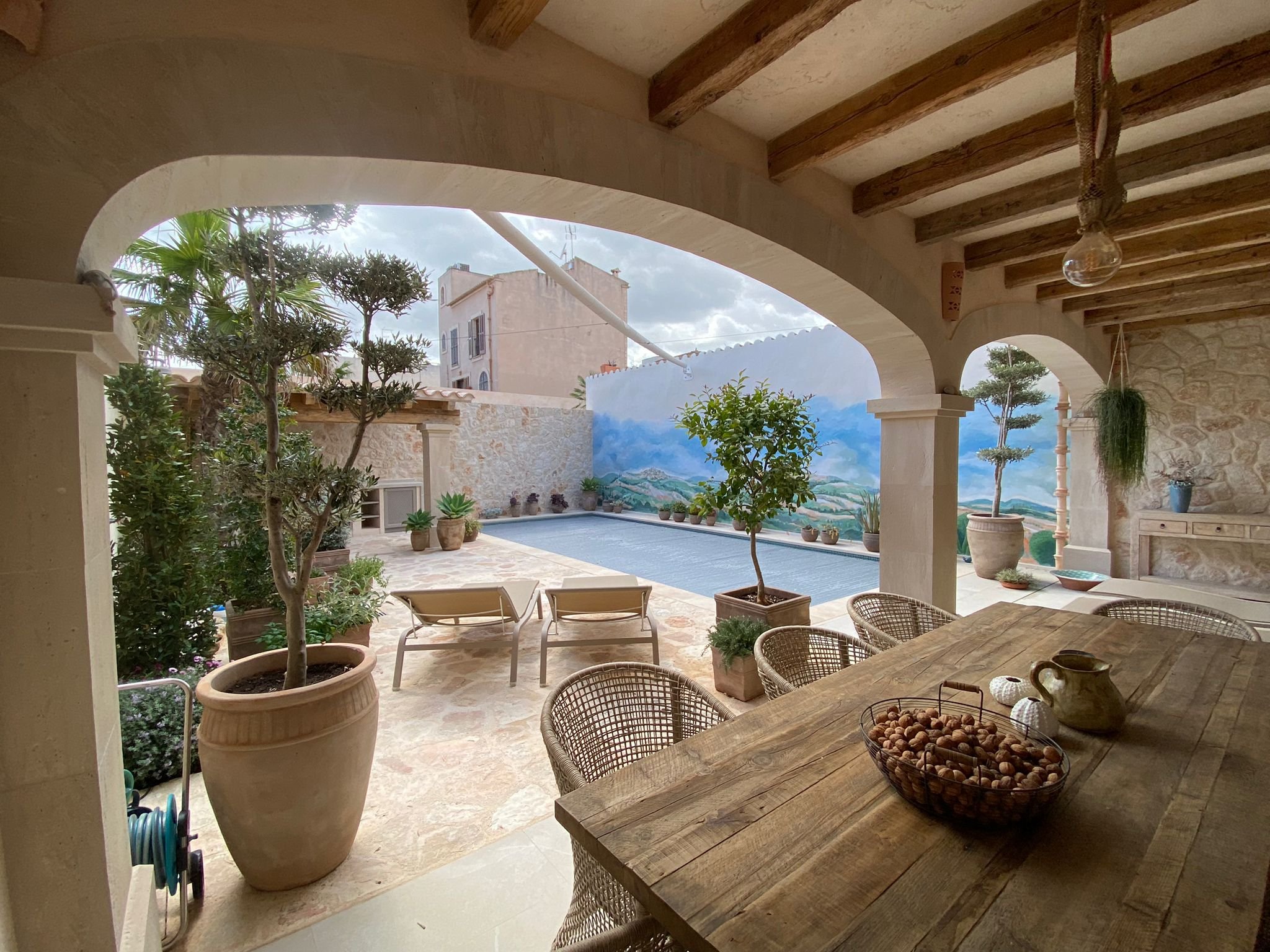
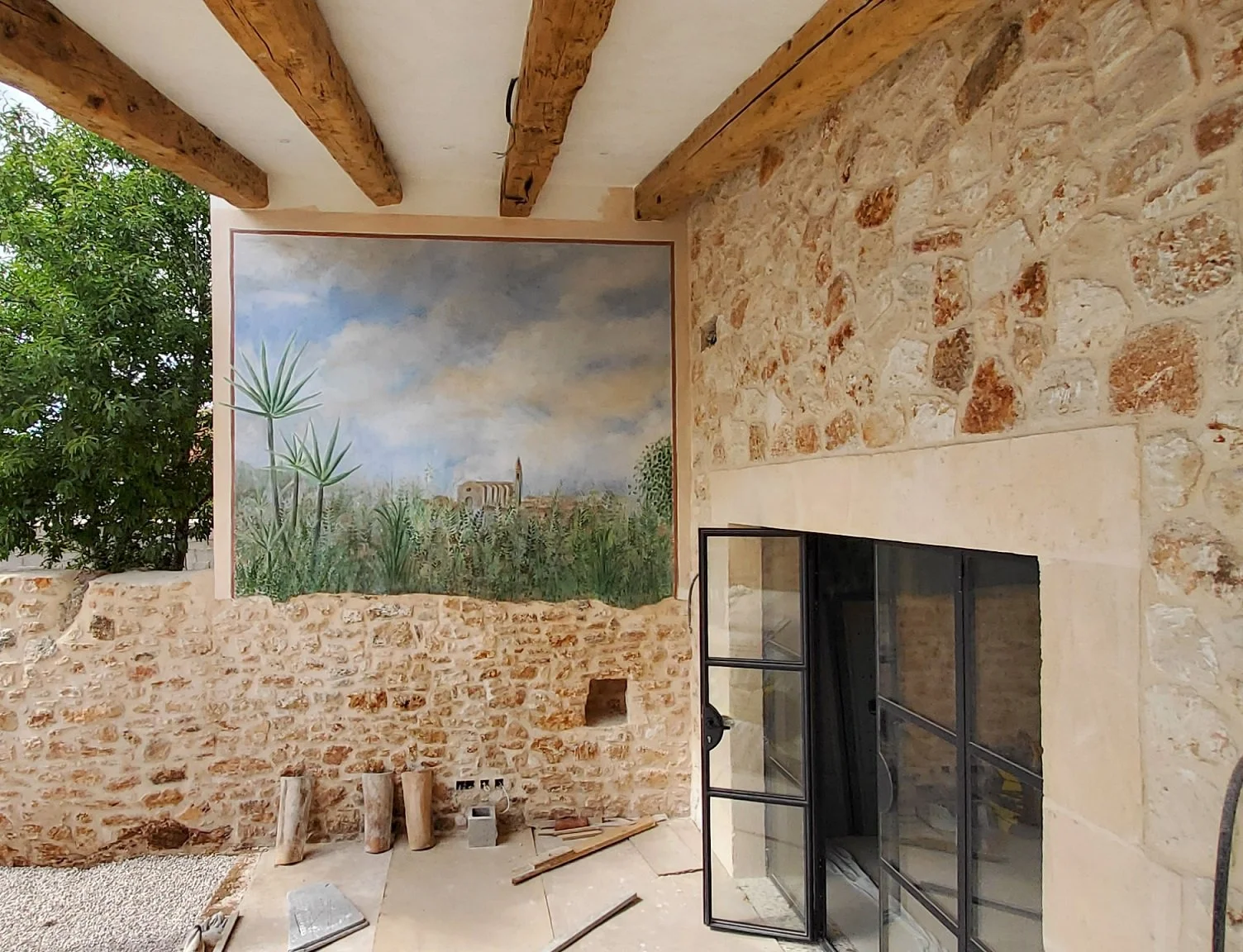
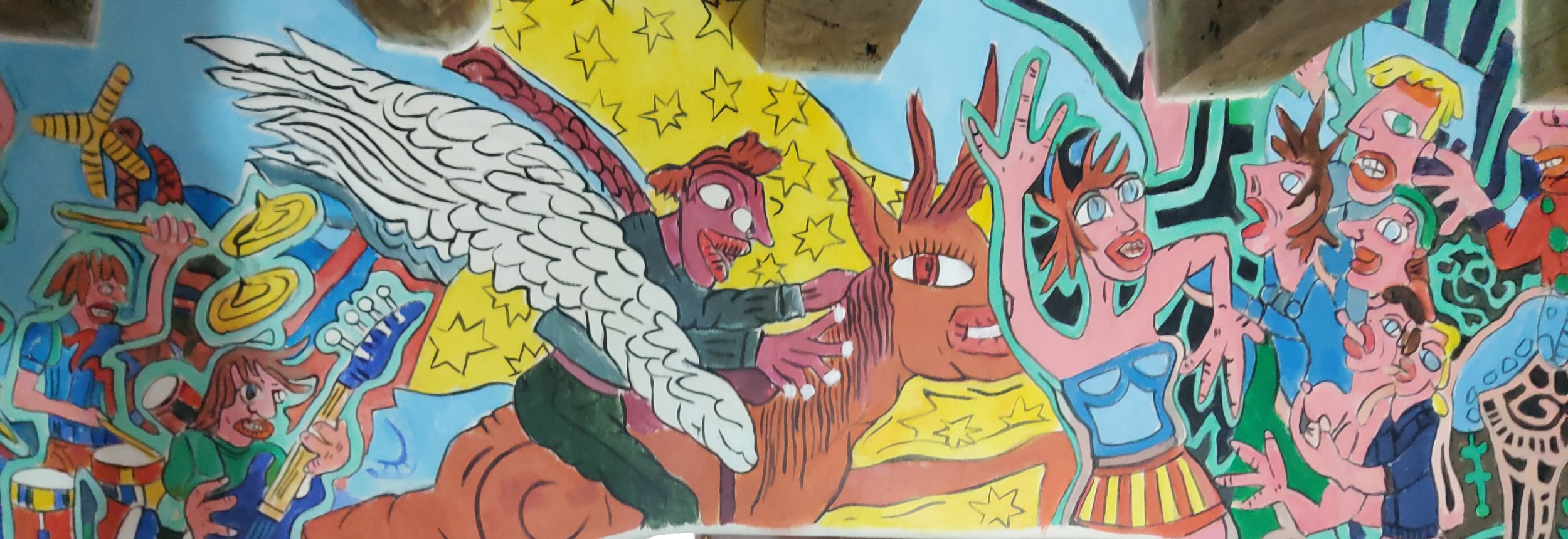
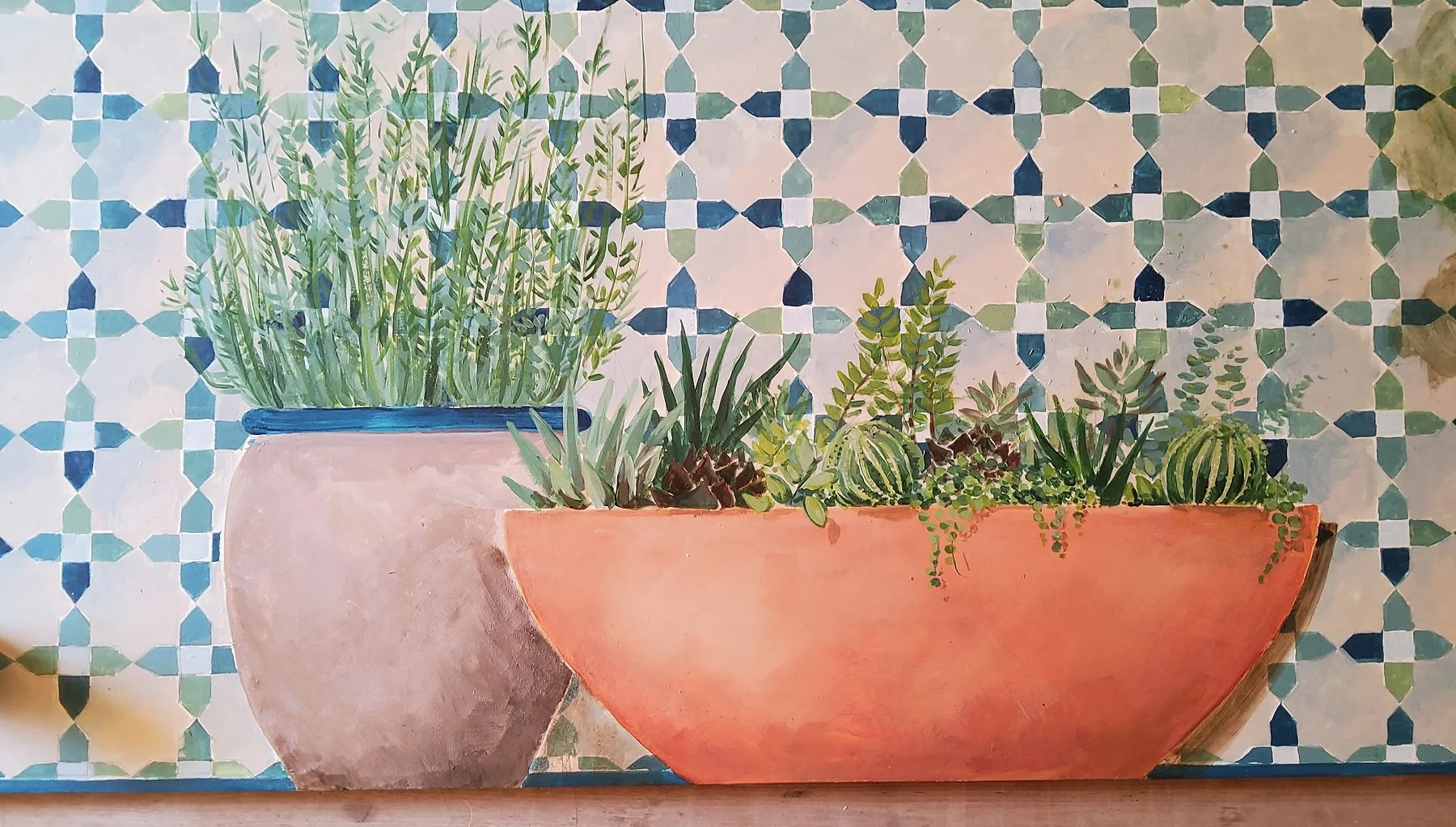
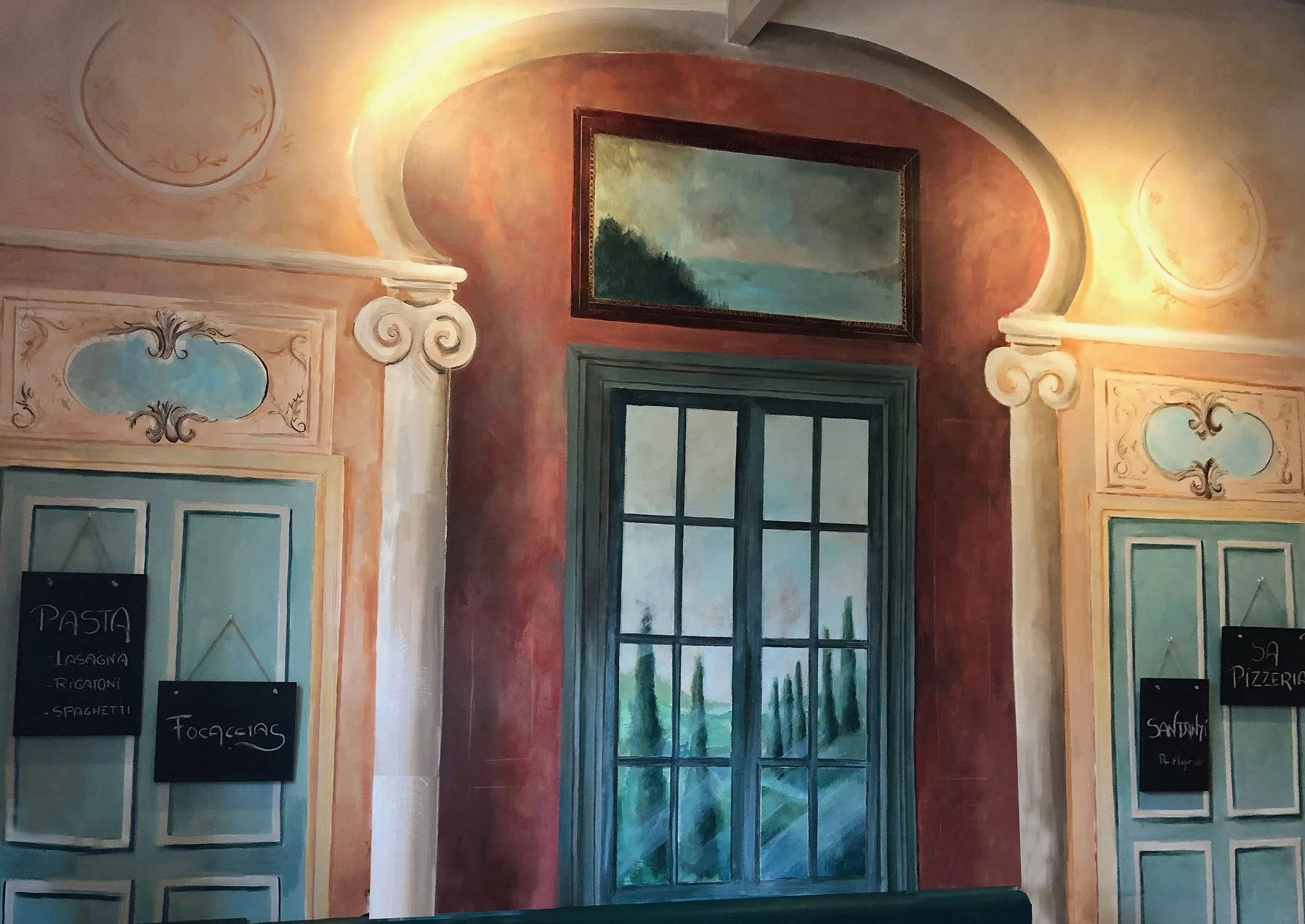
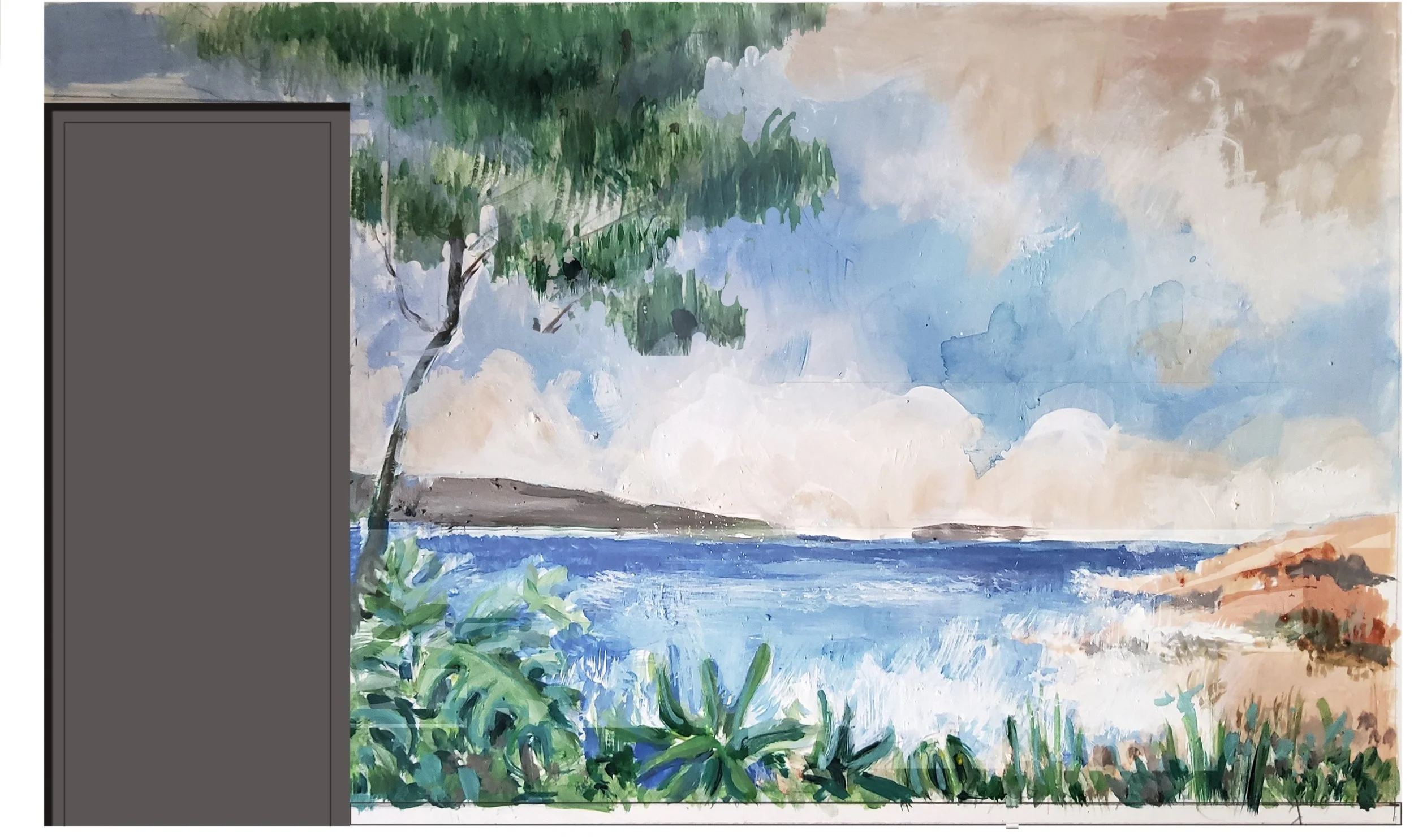
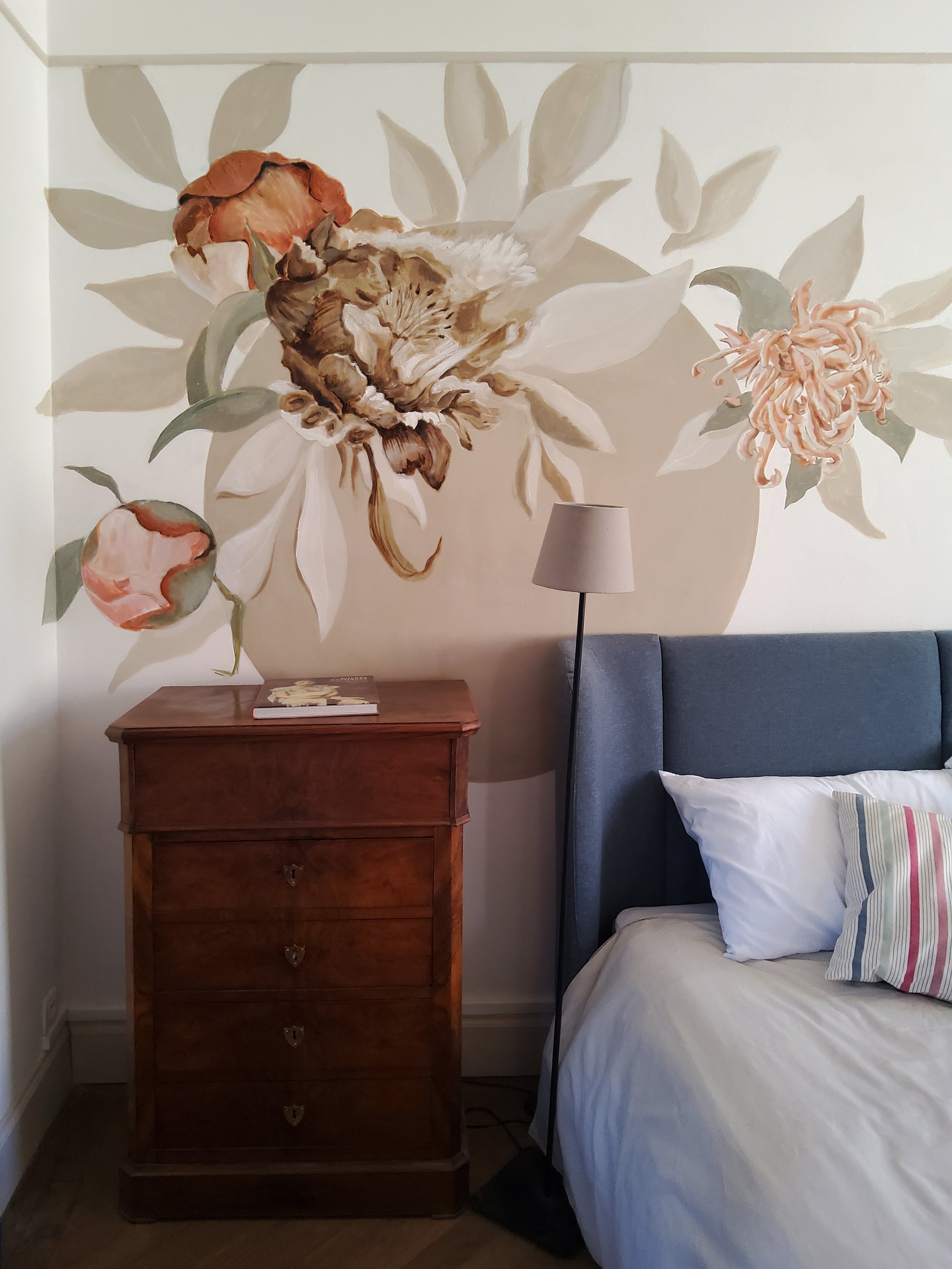
The mural is designed with its surroundings in mind. The wall’s dimensions, texture, shape, and location influence the composition, colors, and scale of the elements depicted.
The relationship with the viewer is also essential. Depending on distance, viewing angle, or movement within the space, the perception of the mural changes. Certain details emerge up close, while the overall composition comes into full view from a distance. This interaction creates a dynamic visual experience between the artwork, the location, and the viewer’s body.
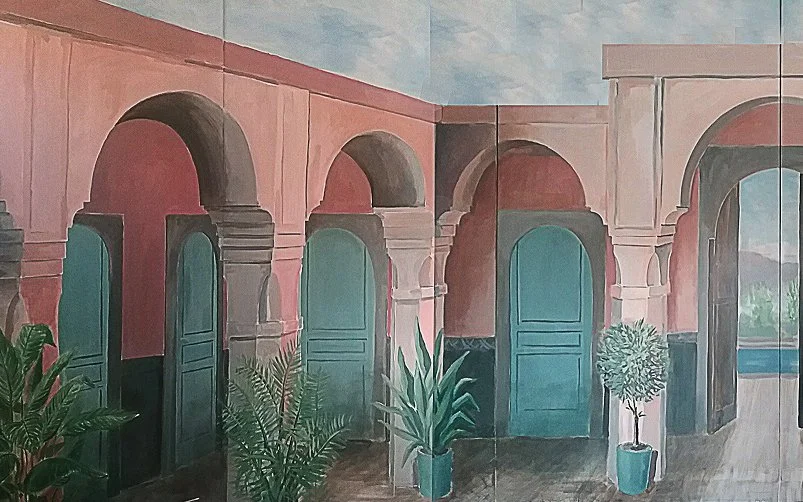
The mural also transforms the function of the space. It can visually expand a space, draw attention to a particular area, or alter the atmosphere of an urban or interior environment. Through colors, shapes, and lines, it contributes to the construction of a spatial and emotional identity.
It becomes an integral part of the physical space: it does not merely decorate the site, but redefines it and creates an ongoing dialogue between art, architecture, and those who pass through this space.